
BOPP Lamination + Hot Stamping: 5 Process-Order Mistakes
BOPP lamination before or after hot stamping? See the 5 process-order mistakes and avoid bubbles, damaged foil and rework in premium packaging.
BOPP lamination and hot stamping can be combined on printed sheets used to make folding cartons. The finishing order determines whether the foil bonds to the printed surface or the exposed face of the laminate. For an exposed metallic detail, consider laminating first and stamping onto a film specified for that application. If the design calls for foil beneath the laminate, validate that construction separately. Approve a sample made with the specified production materials and complete finishing sequence before authorising the full run.
1. What the two processes do
BOPP stands for biaxially oriented polypropylene. In thermal lamination, a film with a pre-applied, heat-activated adhesive is bonded to the printed sheet. Hot foil stamping uses a heated die and pressure to transfer decorative layers from a carrier film onto the receiving surface. The carrier film is stripped away rather than becoming part of the finished decoration. Flat foil stamping does not inherently create a raised image. A raised metallic design requires embossing, which can be combined with foil transfer in one operation using suitable tooling.
This guide focuses on BOPP thermal lamination and conventional die-based hot foil stamping on printed sheets and folding-carton stock. Wet lamination uses a different adhesive application process; its adhesive preparation and drying instructions should not be applied to pre-coated thermal film.
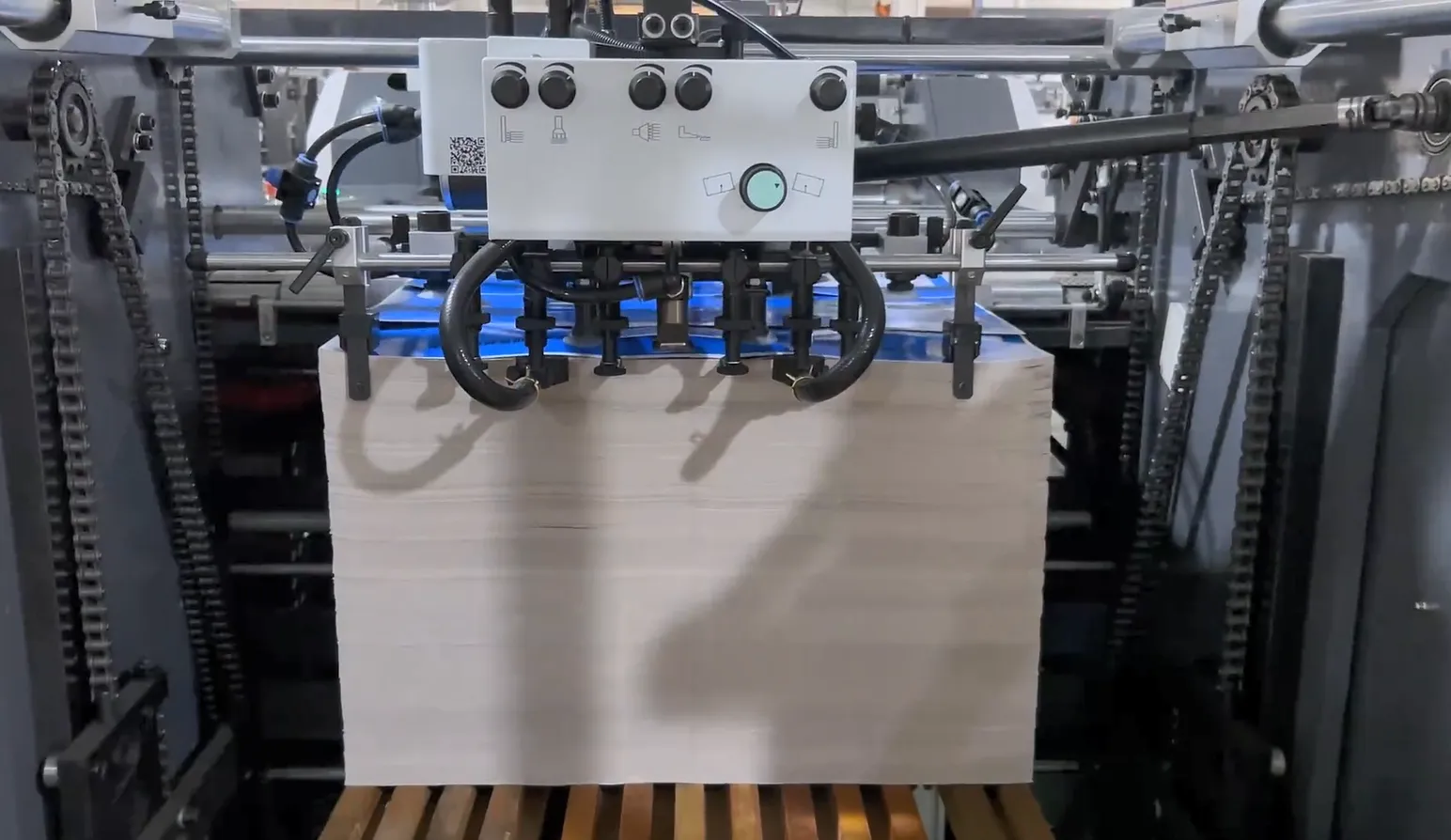
2. Should BOPP lamination come before or after hot stamping?
Lamination before hot stamping puts the transferred decoration on the exposed face of the laminate, including any surface coating. Derprosa lists hot-stamping compatibility for Matte Premier and recommends DL Soft Touch Plus for post-lamination finishing. KURZ also offers hot-stamping materials for laminated surfaces. These examples establish feasibility; they do not establish compatibility for every film-and-foil combination.
Stamping before lamination puts the decorative layer beneath the film. Treat it as a separate construction requiring confirmation from the material suppliers. Compare the final appearance and bonding across the decorated area after lamination, rather than approving the foil at the intermediate stage.
| Sequence | Position of the foil transfer layer | What to validate |
|---|---|---|
| Laminate, then hot stamp | On the exposed face of the laminate | Foil transfer, adhesion and rub resistance; the laminate’s condition after stamping |
| Hot stamp, then laminate | Beneath the film | Suitability for overlamination; final appearance and laminate bonding over foiled and unfoiled areas |
The order alone does not establish which option is brighter, more durable or less expensive. Compare representative samples and quotations for the same finished specification.
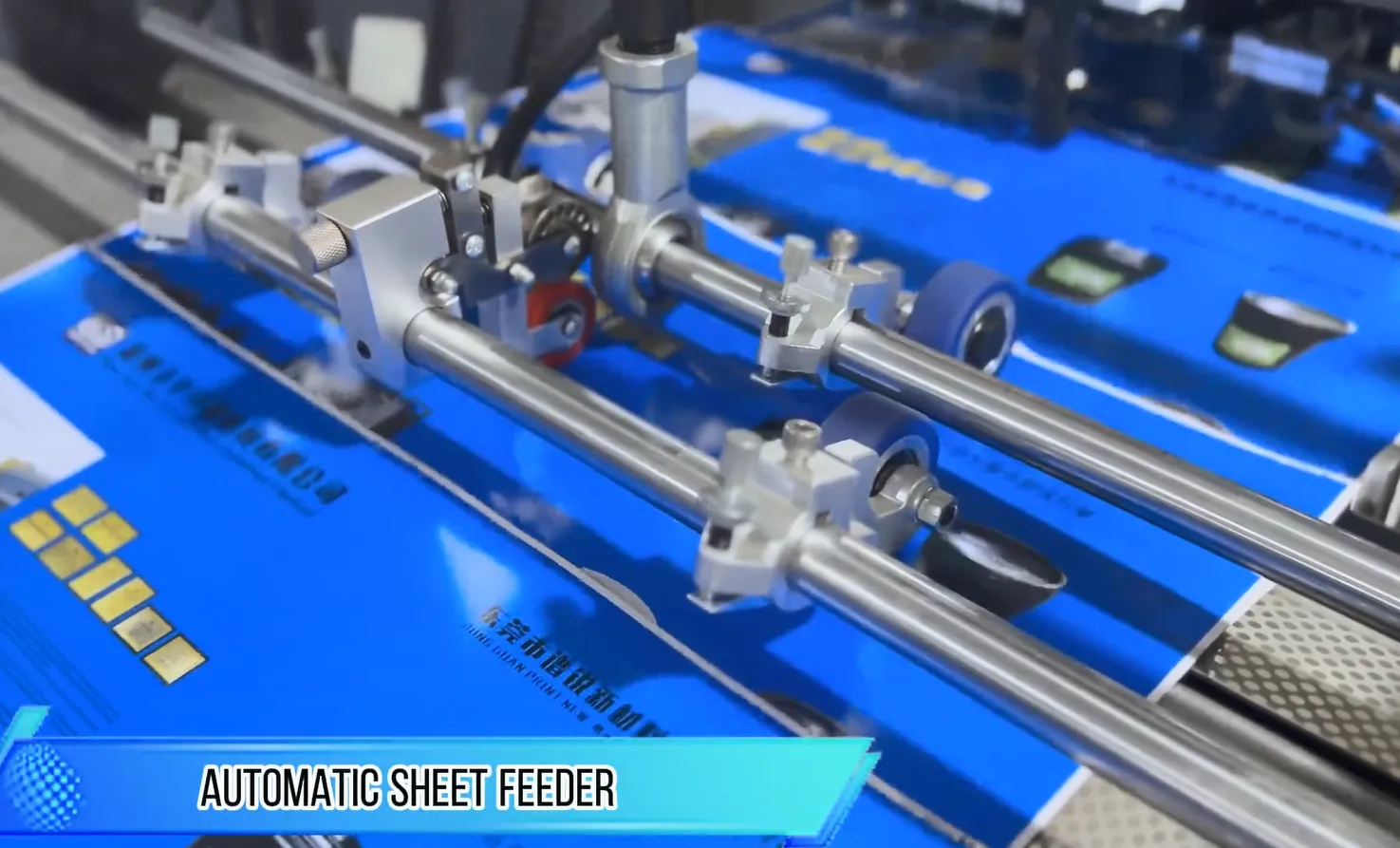
3. Five process order mistakes to check
1. Choosing the sequence before the materials
- What can go wrong: A sample looks right, but production uses a different board, ink, film or foil.
- Why it matters: Changing the receiving surface changes what the next finishing step must adhere to. A successful sample from another job does not validate your construction.
- What to do: Specify the board, printing system, film grade and foil grade together. Submit the intended artwork, including fine type and large foil areas, with production-representative printed stock. Record the approved sequence and require review of substitutions.
2. Assuming every BOPP laminate accepts foil
- What can go wrong: Foil transfers incompletely or fails the agreed adhesion check after stamping.
- Possible causes: The foil may be unsuitable for the actual film surface, or the process conditions may need adjustment. Similar gloss, matte or soft-touch appearances do not establish equivalent finishing performance.
- What to do: Ask for the exact stampable film grade and a foil recommended for that surface. MP do Brasil, for example, distinguishes foil series that list BOPP laminates from series requiring additional preliminary testing. Do not substitute a foil solely because its colour matches.
For stamping after lamination, confirm the specification of the exposed film surface, including any top coating. The film’s adhesive side bonds to the print; it is not the surface receiving the foil. Follow the supplier’s handling guidance and check for contamination. If transfer is poor, investigate the full setup rather than diagnosing surface energy from appearance alone.
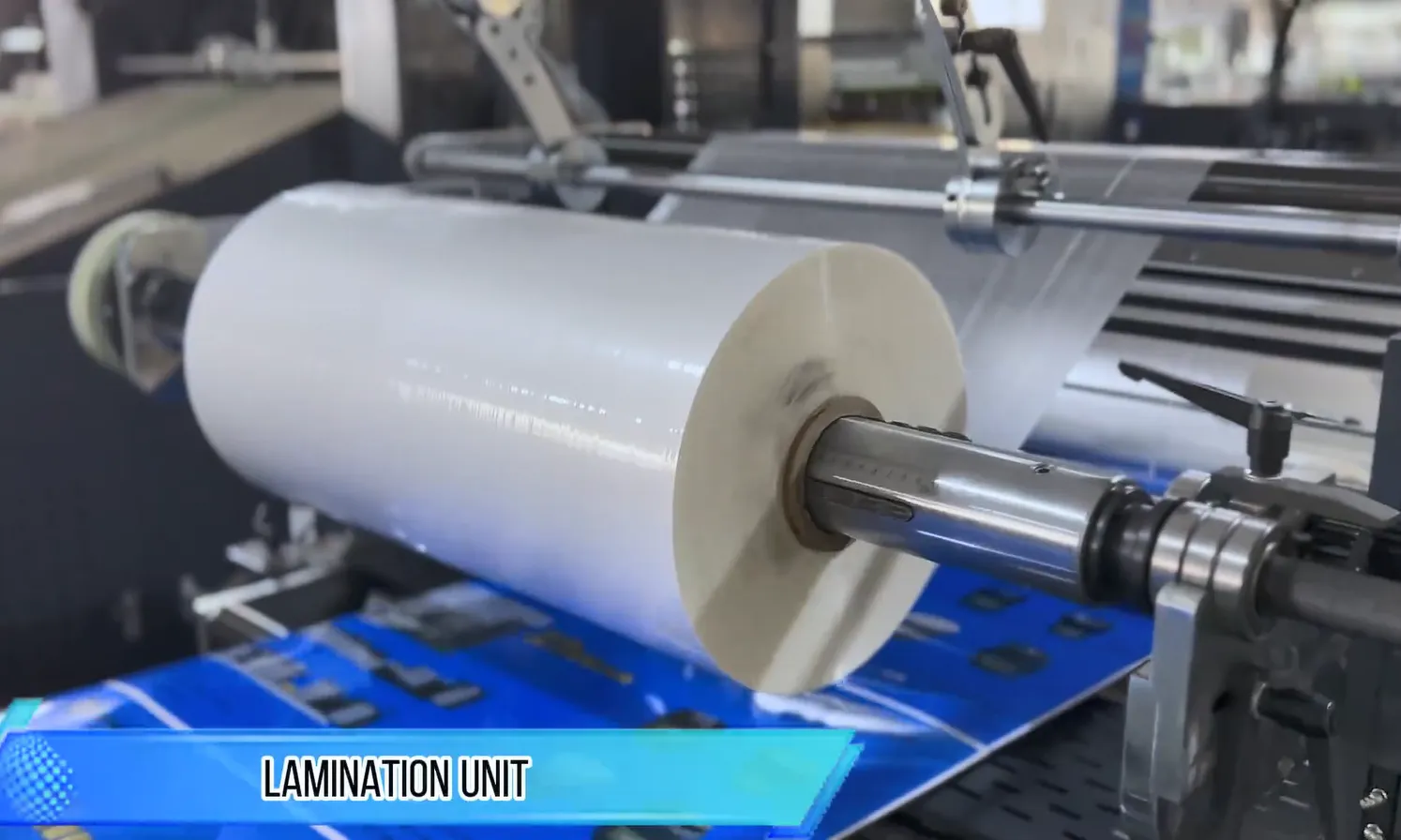
3. Copying the temperature and pressure from another job
- What can go wrong: Transfer quality or the laminated surface changes when the job moves to another press or runs at another speed.
- Why it matters: Temperature is only part of the setup. Contact time, pressure, foil grade and machine type also matter. API’s LS guidance gives different typical temperature ranges by press category and requires application-specific confirmation. Those ranges are not a universal recipe for BOPP.
- What to do: Use the current film and foil guidance to establish a trial setup. Record the lamination settings separately from the stamping settings. For stamping, record the temperature setting, impression setting, running speed and dwell time where independently adjustable, together with the equipment and die details. Dwell time means the time the die applies heat and pressure to the sheet. Record speed and dwell separately where the press provides both controls; do not assume that the same running speed gives the same contact time on different presses. BOBST’s description of its platen design illustrates why the machine’s contact characteristics matter.
Change one variable at a time during controlled trials and follow the equipment manufacturer’s setup procedure. If stamping visibly distorts or blisters the laminate, stop and review the material limits and contact conditions. Increasing heat is not a substitute for confirming compatibility. Approve the result on the actual laminated stock before releasing production.
4. Approving the foil before the full finishing sequence
- What can go wrong: An intermediate sheet passes inspection, but a later stage changes its appearance or reveals a weak bond.
- What to do: Keep samples after printing, lamination and stamping so you can identify when a defect first appears. Verify ink drying or UV cure against the ink supplier’s requirements. Before the next operation, also follow the film and adhesive suppliers’ instructions for cooling, bond development and any required waiting period. Do not assume that every thermal adhesive requires chemical curing or that a single waiting time suits all systems.
If peeling removes ink with the laminate, identify where the failure occurred: between the laminate and ink, within the ink or paperboard coating, or between the printed layer and board. Ink removal alone does not establish that the laminating adhesive is defective. Chicago Laminating’s thermal-lamination FAQ explains how a stronger laminate-to-ink bond can expose a weaker ink-to-substrate bond.
For BOPP lamination bubbles, first establish whether they were present before stamping. Their presence alone does not prove that the stamping temperature was excessive. Compare affected and unaffected areas and ask the supplier to review the relevant interfaces and processing conditions.
5. Leaving final acceptance until delivery
- What can go wrong: A visually acceptable flat sheet develops problems during subsequent conversion or handling.
- What to do: Approve samples through the intended die-cutting, creasing, folding and gluing stages. Agree how foil edges, fine lettering, large solid areas, registration, visible bubbles and handling resistance will be judged. Check whether glue flaps are exposed board or a laminated surface, then confirm the chosen adhesive and construction. Where adhesion or rub testing is required, specify the method, sample conditioning, test timing and acceptance criteria.
Multi-finish work must account for later conversion. PostPress highlights the importance of laminate, foil, adhesive and glue-area planning in presentation-folder production; use that as a prompt to review the equivalent areas of your carton construction.
Keep an approved reference sample with the job specification, and retain material and process records for reorders.
4. Equipment for combined finishing
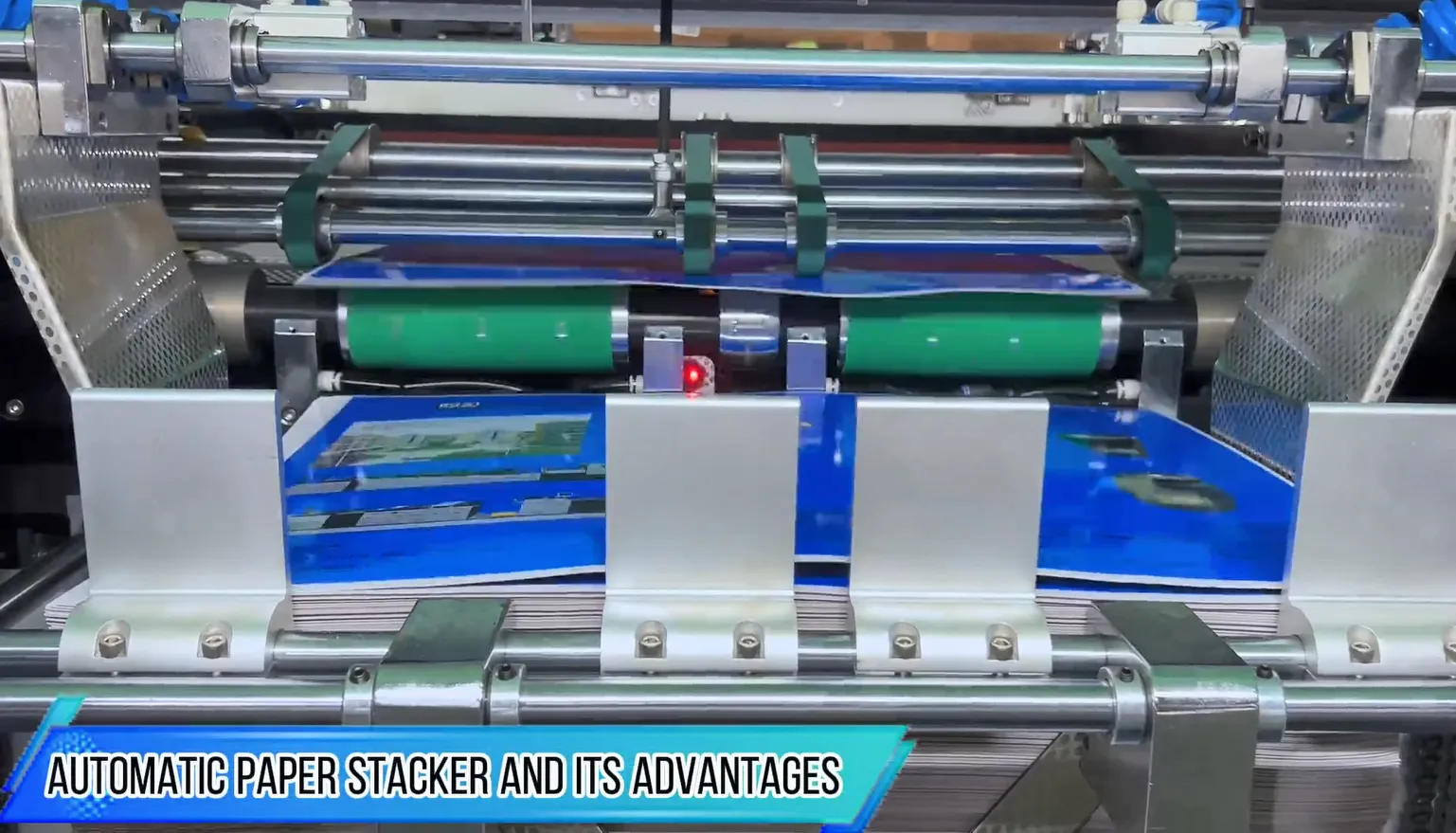
The sequence decisions still have to be executed by equipment that holds temperature, pressure and contact time consistently. SAGLIN’s YFMA-850 automatic thermal laminator and JXZC-95 automatic servo hot stamping machine are the two finishing stations relevant to this combination; the JXZC-95 uses servo pressure control and a pre-suction anti-double-feed device to support consistent stamping. Equipment alone does not fix a wrong sequence: confirm the process order, materials and settings together, and request a matching configuration for your actual stock and finish.
5. Prepare a comparable finishing quotation
Give each supplier the same specification:
- Board grade and thickness, printing system, ink or toner details, and drying or cure requirements.
- Film grade, thickness, finish and adhesive system, plus the proposed foil grade and colour.
- Artwork, foil coverage, fine details, fold positions and intended finishing sequence.
- Quantity, sheet layout, equipment requirements and every finishing stage the approval sample must undergo.
- Inspection methods, reference sample and material-substitution approval requirements.
Ask the supplier to identify any unvalidated material pairing in the quotation. Review the finished sample and specification together before committing to production.
6. Frequently asked questions
The questions converters ask most when planning combined BOPP lamination and hot stamping:
Can you hot stamp over BOPP lamination?
Yes, with the right film, foil and process combination. Matte and soft-touch laminates usually accept foil more readily; glossy laminates require a foil formulated for that surface. Ask for documented suitability and validate it on production-representative sheets.
Can you laminate over hot-stamped foil?
Treat it as a separate construction requiring its own approval. Thermal film anchors better to print and board than to the metallic foil surface, which can cause edge delamination. Confirm with the suppliers and inspect appearance and bonding after lamination.
Does hot stamping always create a raised image?
No. Flat foil stamping transfers decoration without inherently creating relief. For a raised metallic image, specify suitable embossing or combination tooling and validate the sequence on the selected stock.
How long should UV-printed sheets wait before lamination?
There is no universal waiting period. Verify that the ink has reached the cure condition required for the next operation, and follow any specified post-cure or conditioning interval. Waiting alone does not demonstrate adequate UV cure; UV curing should not be confused with solvent evaporation.
Need a finishing sequence for BOPP lamination and hot stamping?
Get a recommendation for the YFMA-850 and JXZC-95 combination, matched to your stock and finishing order.
Request a Quote
